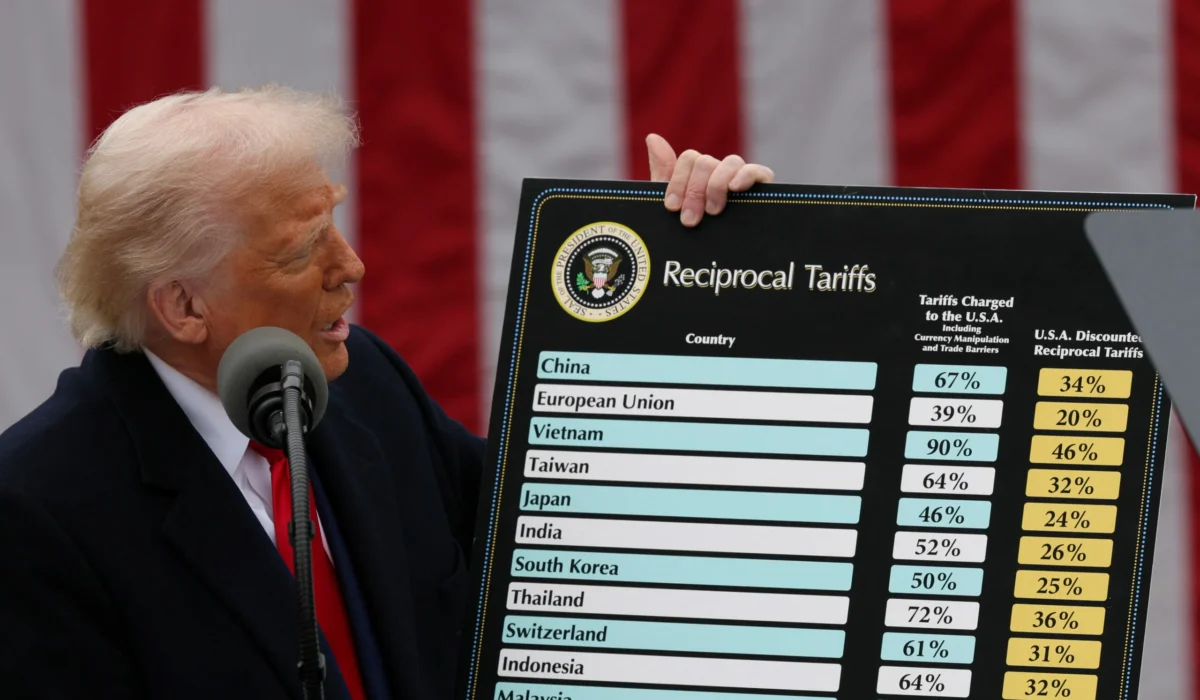
How President Trump’s Reciprocal Tariff Policy Matters for Global Business
With President Trump reintroducing reciprocal tariffs, global business leaders must reassess their export strategies and supply chains to stay ahead.
What Are Reciprocal Tariffs?
President Trump’s re-election has brought tariffs — particularly reciprocal tariffs — back to center stage in international trade. His policy is straightforward:
If another country charges a high tariff on U.S. goods, the U.S. will impose the same tariff on goods from that country.
Example:
- If India imposes a 50% tariff on American vehicles, the U.S. will match that with a 50% tariff on Indian vehicles.
- If China taxes U.S. wine at 25%, the U.S. will respond with a 25% tariff on Chinese wine.
The strategy is designed to establish fair and equal trade, and discourage one-sided trade advantages.
Why This Policy Matters to Businesses Worldwide
Tariffs may sound like a government issue — but they can reshape the global business landscape. Entrepreneurs, manufacturers, exporters, and importers around the world should prepare for the following:
- Increased costs for imports and exports
- Unpredictable price structures in cross-border trade
- Supply chain adjustments due to shifting duties
- New risks and opportunities depending on the trade relationship with the U.S.
Who Should Be Concerned?
Businesses that trade with the U.S., especially in countries like Sri Lanka, India, the Maldives, UAE, and Southeast Asia, should monitor U.S. tariff actions closely.
This includes those in:
- Export/import businesses
- Global manufacturing and sourcing
- Shipping and logistics
- Retailers dealing in international brands
- B2B suppliers and distributors
Tariffs in Simple Terms
A tariff is a tax charged on goods brought into a country. The importer pays the tariff, and often passes that cost on to the buyer — meaning consumers or companies pay more.
Governments use tariffs to:
- Protect local businesses
- Respond to unfair trade practices
- Raise revenue
- Encourage domestic production
But retaliatory tariffs between countries can cause trade disruptions and reduce competitiveness.
How to Prepare Your Business
Whether you’re a startup exporting food items or a regional company sourcing materials from overseas, here’s how you can prepare:
- Monitor global trade policy updates, especially from the U.S., EU, China, and your top trading partners
- Diversify your markets – don’t rely solely on exports to the U.S.
- Review contracts for pricing flexibility
- Work with customs brokers and legal consultants on tax-efficient strategies
- Explore value-added exports to reduce vulnerability to price competition
- Consider local sourcing where import tariffs could raise costs
Final Insight
President Trump’s reciprocal tariffs are more than a political statement — they’re a business signal. Companies that operate internationally must adapt to a trade environment that rewards resilience, agility, and diversification.
At Ethera Business, our mission is to help you navigate these changes, understand global economic shifts, and succeed beyond borders.
Stay tuned to Ethera Business News for more global trade insights, policy analysis, and real-world strategies for growing your business internationally.