Trump’s Tariffs Shift Global Business Momentum to Dubai Free Zone
As renewed trade tensions rise under former U.S. President Donald Trump’s proposed tariff agenda, Dubai’s free zones are emerging as a strategic refuge for global businesses seeking neutrality, stability, and unfettered access to international markets.
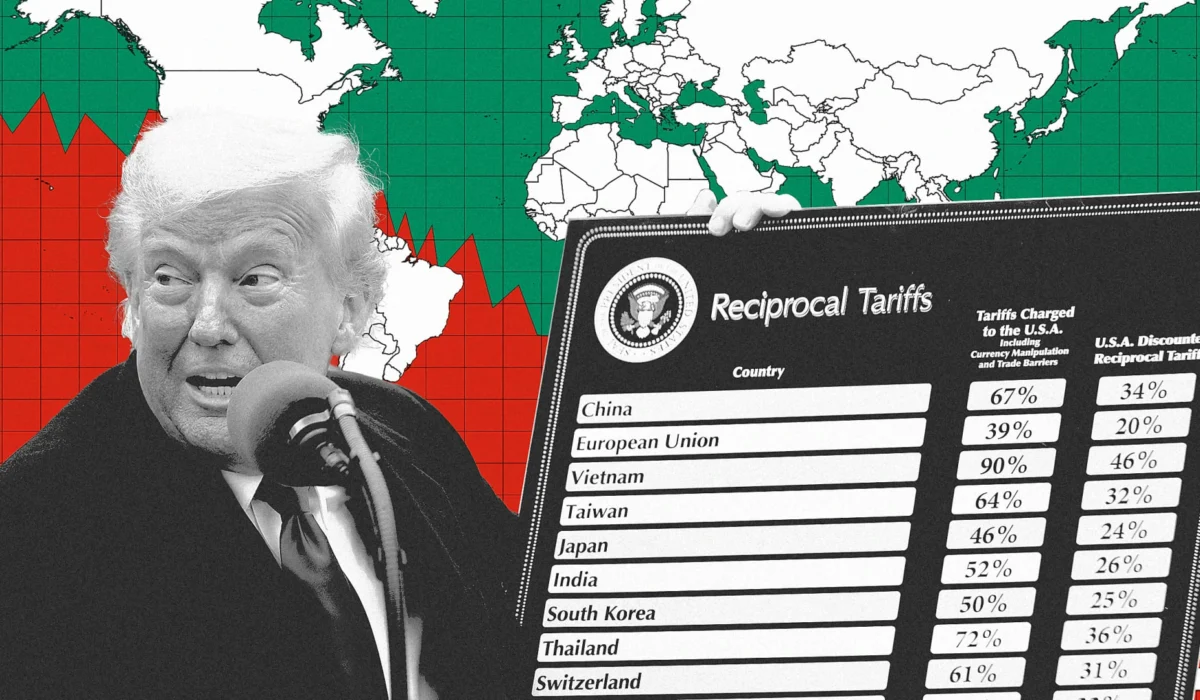
Trump’s latest statements hint at sweeping import tariffs—10% across the board, and even higher levies for countries like China. These policy signals are already influencing global manufacturers, exporters, and investors to reassess their operational bases. Among the most attractive relocation options: the UAE, particularly Dubai’s world-class free zones.
Dubai and Beyond: A Neutral Trade Hub in a Divided World
Dubai’s free zones—such as Jebel Ali Free Zone (JAFZA), Dubai Multi Commodities Centre (DMCC), and Dubai Airport Freezone (DAFZ)—are structured to support 100% foreign ownership, zero corporate tax, and streamlined logistics. These features make them ideal for businesses looking to insulate operations from protectionist trade environments.
Importantly, Sharjah Media City (Shams)—a fast-growing free zone located just 30 minutes from Dubai—is also drawing attention. Shams is especially attractive to digital entrepreneurs and creative-sector businesses, including software development, digital marketing, content creation, and e-commerce services. With affordable setup costs, simplified licensing, and full foreign ownership, Shams is fast becoming a preferred launchpad for tech-driven startups and global consultants alike.
The UAE’s diplomatic neutrality is a major advantage. While the U.S. and China escalate economic rivalry, the UAE has positioned itself as a balanced partner to both superpowers—offering companies a politically neutral and economically efficient base for global trade.
Investor Confidence on the Rise
Economic analysts report a noticeable increase in inquiries and registrations from companies in Asia, Europe, and North America seeking to establish a presence in UAE free zones. Many of these firms are in sectors vulnerable to tariff volatility—automotive, consumer electronics, high-value services, and digital solutions.
“Companies are prioritizing risk diversification,” said a UAE-based trade consultant. “With Trump’s potential return and the trade policies he’s likely to enforce, businesses are looking for safe harbors—and UAE free zones check every box.”
Strategic Shifts Already Underway
Global supply chains are being quietly recalibrated. Instead of shipping directly from China or Southeast Asia to the U.S., businesses are exploring the UAE as a transshipment and assembly point to add value, reduce tariff exposure, and enhance speed to market.
The country’s robust infrastructure—including top-tier ports, airports, and logistics—as well as its forward-looking regulatory ecosystem, makes it an optimal choice in this new trade era.
Looking Ahead
As geopolitical pressures intensify, UAE free zones—especially in Dubai and Sharjah—are set to benefit from a surge of global firms seeking resilience, neutrality, and access. Trump’s tariff rhetoric may be reviving old trade battles—but it’s also reshaping new global business hubs. And the UAE is at the center of this shift.
Stay tuned to Ethera Business News for insights on global economic developments and opportunities for international business expansion.