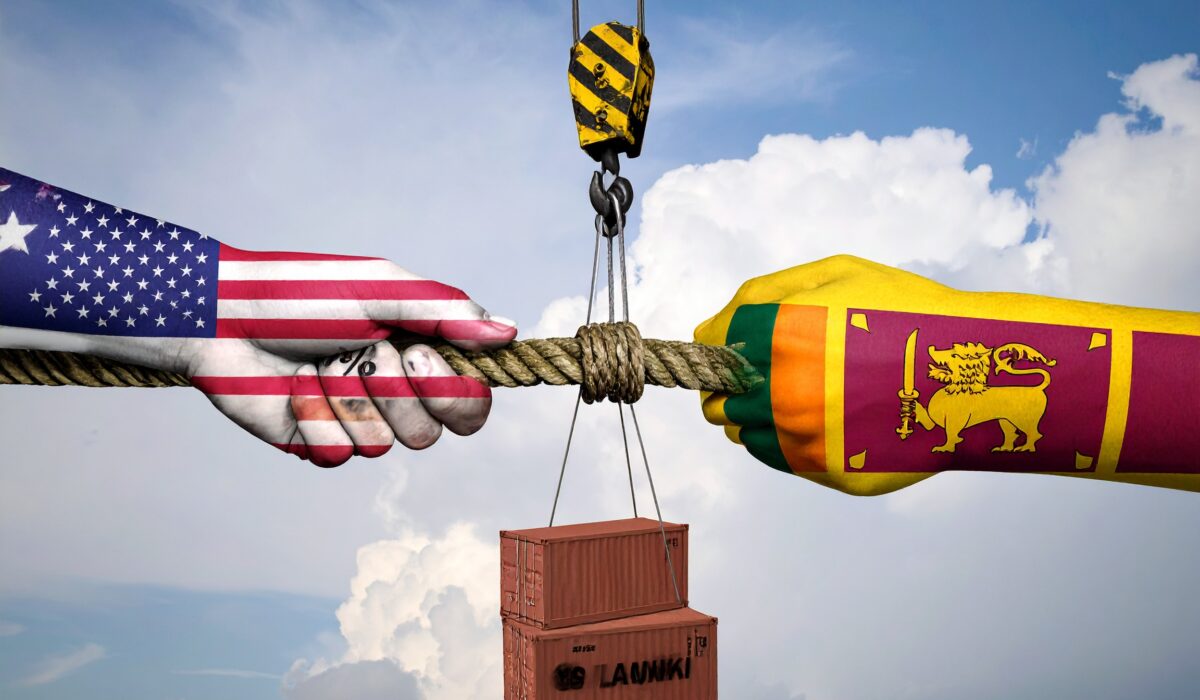
U.S. Tariff Hits 30% — Time for Sri Lanka to Fight Back Smart, Not Panic
The United States has officially imposed a 30% tariff on all Sri Lankan exports, as announced in a letter signed by President Donald Trump dated July 9, 2025. While this marks a reduction from the earlier proposed 45%, the reality is stark: Sri Lankan exporters now face one of the steepest trade barriers in decades when accessing the world’s largest consumer market.
This is not the time for panic. It is a time for clear strategy, unified action, and smart responses from both public and private sectors.
🔍 Understanding the Impact
The U.S. is one of Sri Lanka’s top trading partners, particularly for apparel, rubber-based products, spices, and IT services. A 30% tariff significantly reduces price competitiveness for most Sri Lankan goods in the U.S. market. Likely outcomes include:
-
📉 Drop in orders from U.S. buyers due to increased landed costs
-
🧵 Pressure on apparel exporters, who already operate on tight margins
-
🔁 Diversion of contracts to competing suppliers from Bangladesh, Vietnam, and Latin America
-
🏭 Threat of job losses in manufacturing sectors
The impact is serious. But Sri Lanka still has strategic options to adapt and emerge stronger.
💡 How Sri Lanka Can Fight Back Smart — Key Strategies
1. 🇺🇸
Establish Manufacturing or Assembly Presence in the U.S.
The letter from the U.S. government explicitly states:
“No tariff will be imposed on Sri Lankan goods produced within the U.S.”
Recommended Actions:
-
Encourage leading exporters to form joint ventures or low-cost assembly facilities in the U.S.
-
Leverage Free Trade Zones in states such as Texas, Georgia, or Florida
-
Support Sri Lankan companies with legal, regulatory, and logistics expertise to speed up entry
✅ Outcome: Tariffs are avoided entirely, and export channels into the U.S. are preserved.
2. 🌍
Diversify Export Markets
Overreliance on any single market is risky. It is time for Sri Lanka to strengthen exports to alternative destinations.
Priority Markets:
-
European Union (EU) – Leverage GSP+ concessions
-
Middle East & Gulf Region – High demand and diaspora connections
-
India & China – Expand B2B and supply chain integration
-
Southeast Asia – Tap growing middle-class consumption
✅ Outcome: Reduced vulnerability and broader market presence.
3. 🧠
Move Up the Value Chain
Sri Lanka must shift away from competing purely on price and focus on value-added, branded, and differentiated exports.
Next Steps:
-
Promote certified, sustainable, or organic products
-
Invest in product design, packaging, and storytelling — especially in apparel, tea, and food products
-
Support SME exporters with branding and market entry grants
✅ Outcome: Higher price points and stronger buyer retention.
4. 🤝
Strengthen Diplomatic & Trade Engagement
This situation requires an immediate and well-coordinated diplomatic and trade policy response.
Government Priorities:
-
Initiate talks with U.S. trade authorities (USTR) for sector-specific relief
-
Engage with diaspora-led business groups in the U.S. to build advocacy
-
Use regional trade forums and partnerships to increase leverage
✅ Outcome: Opens doors for negotiation and softens the overall impact.
5. 💻
Expand Non-Tariff-Affected Service Exports
Tariffs primarily affect goods — not services. Sri Lanka has the capacity to grow its digital and professional service exports.
Tactical Moves:
-
Scale up IT, BPO, legal, and back-office services for U.S. clients
-
Create platforms for remote teams and digital collaborations
-
Position Sri Lanka as a reliable knowledge services hub
✅ Outcome: Growth in a parallel, tariff-free export pillar.
6. 📊
Government Support and Emergency Measures
The private sector cannot face this alone. The government must deliver targeted support to sustain exporters through this shock.
Immediate Interventions:
-
Provide tax relief, bridging finance, and export rebates
-
Fast-track approvals and incentives for companies shifting to new markets or offshore setups
-
Establish a Trade Resilience Task Force to guide national response
✅ Outcome: Maintains business confidence and stabilizes jobs.
🛡️ Conclusion: Sri Lanka Can Adapt — If It Responds with Intelligence and Unity
The 30% tariff is a challenge that cannot be ignored. But it is not insurmountable.
With the right policies, strategic pivots, and private-public collaboration, Sri Lanka can not only survive — it can reorient its export model to become more competitive, diversified, and resilient.
Let me know if you’d like this article converted into a downloadable PDF, formatted for web upload, or repurposed into a video script.